UX LAB HIRE IN MANCHESTER
Website usability testing.
Don’t guess how users use your website. Uncover it.
A ten-minute drive from Manchester City Centre, our state-of-the-art UX lab reveals how customers actually use your website or apps. Available for day hire, with a qualified practitioner on hand to help every step of the way.
User Testing
research lab.
Got a site issue you just can’t explain? Your ecomm site not generating sales? Or even a user journey that worked in the boardroom, but not to your customers?
Our UX lab finds out why.
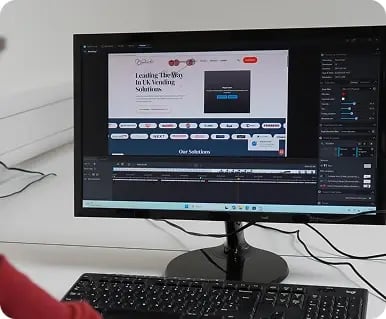
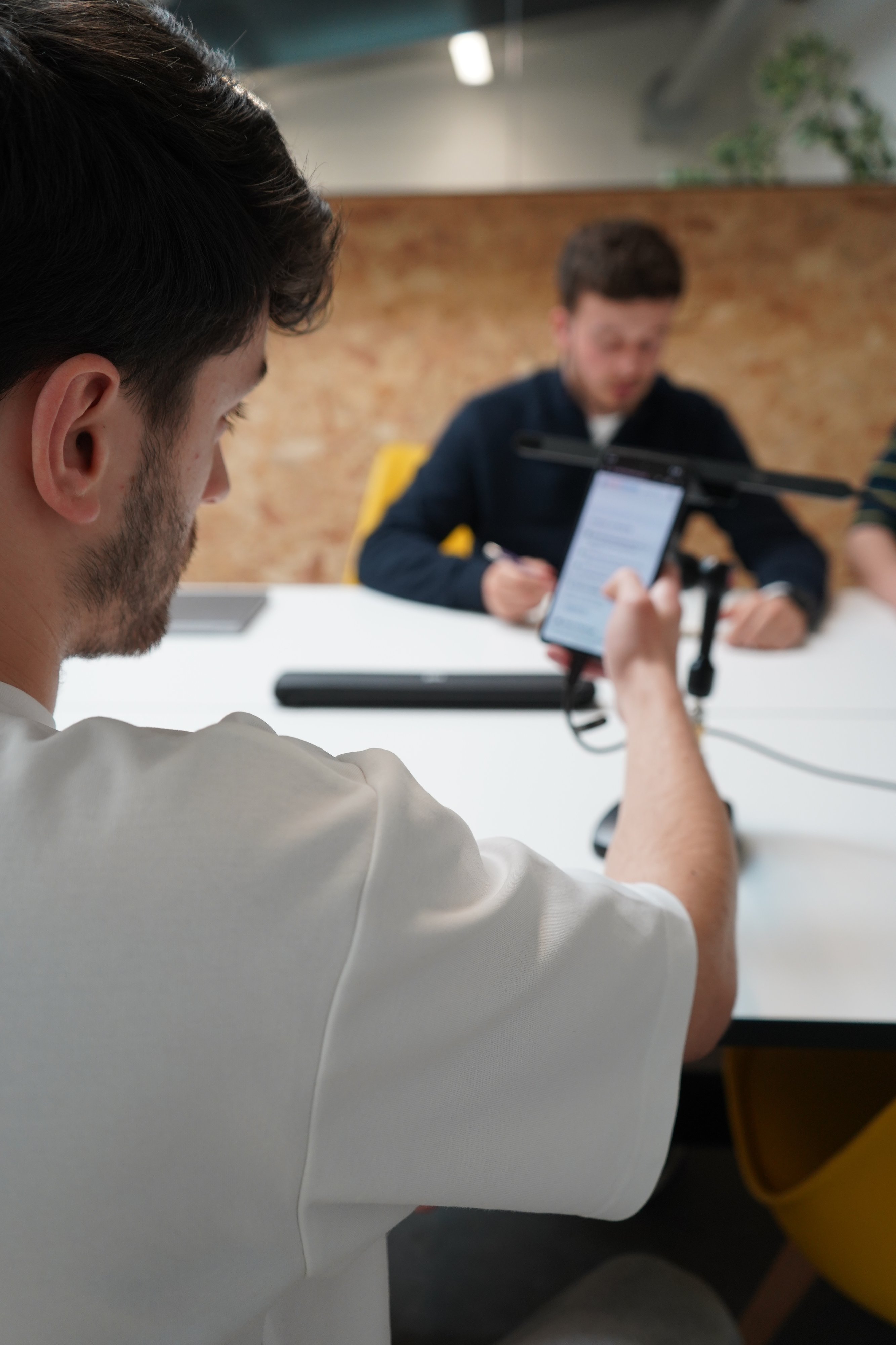
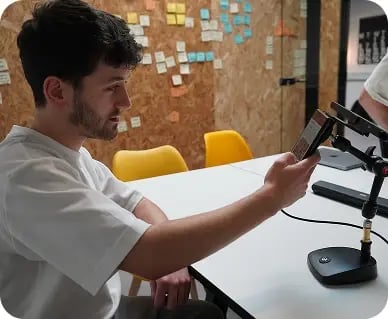
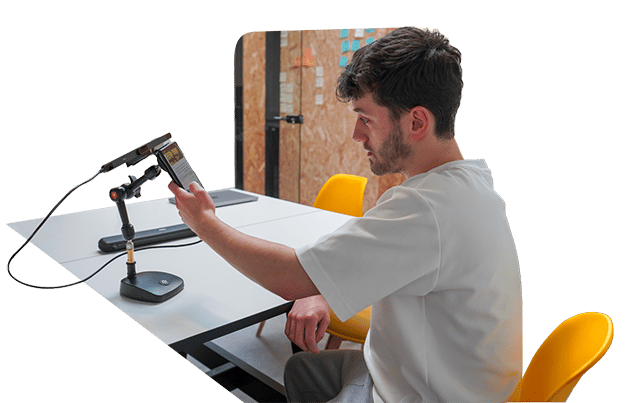
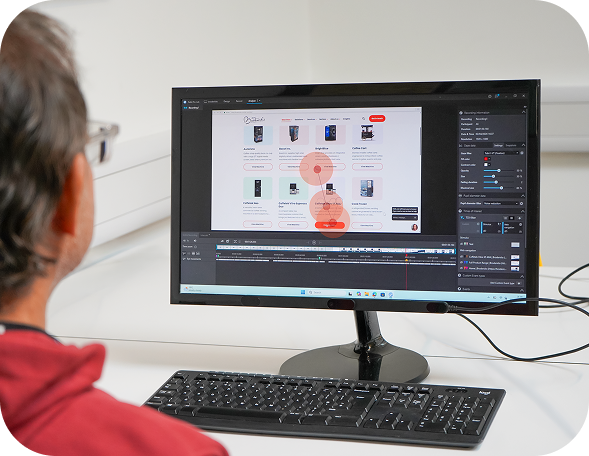
Purpose built for running moderated usability tests, our UX Lab captures how real participants interact with your live or prototype site, web app, or mobile app. Discover where they look, what they click, where they hesitate, and how they feel.
With industry leading Tobii eye tracking capturing precise data, our technicians help you to understand what grabs users’ attention, what they miss, and how they actually navigate your site.
Combined with think-aloud prompts and post-task interviews, you get a complete picture of real user behaviour at the end of every session.
Our usability testing services.
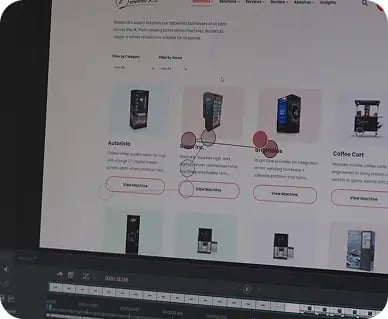
Tobii-powered gaze tracking records exactly where users look.
By tracking fixate time and what they skip, you’ll get an accurate heatmap with gaze plots and area of interest analysis to understand why.
Real conversations reveal real problems.
Pre- and post-lab interviews uncover UX pain points, helping you understand how to maximise conversion.
Take your new site for a test drive.
Use clickable Figma prototypes to fix critical design issues before you hire a developer to maximise project ROI.
Test your site against your competitors'.
Get real data to understand relative performance and identify any opportunities they’re missing.
Make sure your site works for every visitor.
Run usability tests with participants that use screen readers, enlargers, voice recognition software and more.
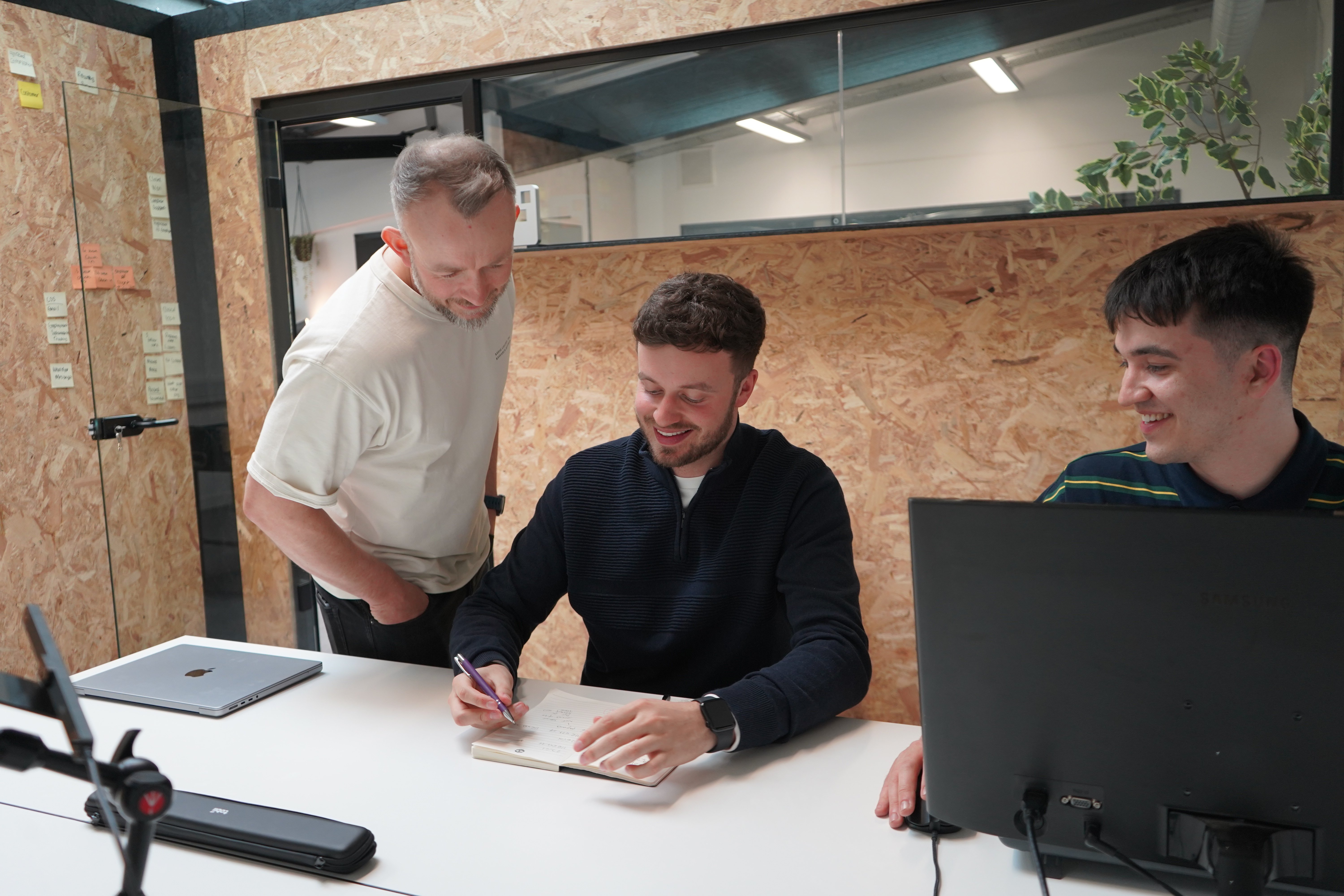
Hire our UX lab. Gain an experienced team.
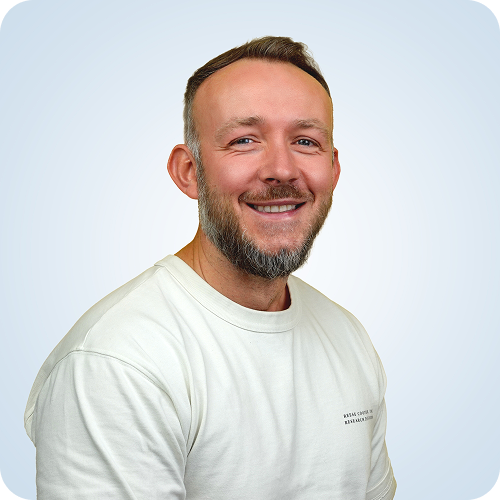
Andy Sweeting
Founder & Digital Strategist

Aaron Lockett
UX Designer
Anna Scott
Senior Brand Strategist

Ben Gratrix
Digital Account Manager
How to book our UX lab Services
1
Briefing
Tell us what you’re doing and what you’re trying to achieve. We’ll agree on research questions, define user tasks, and your target audience.
2
Recruitment
We source and screen participants that match your ideal demographic on your behalf. We’ll handle the incentives and scheduling.
3
Test day
Participants come to our UX Lab in Manchester or join remotely. Sessions last between 45 and 60 minutes each. You can watch live in a separate room, or on a live stream.
4
Analysis
We playback recordings and compile eye tracking data to identify patterns and prioritise findings by severity and impact.
5
Report and recommendations
We send a report back to your team, with the video evidence and heatmaps we’ve collected. We’ll also include recommendations your team can act on immediately.
Got something to test?
Whether you’re starting from scratch or looking to fix something that’s not working, we’d love to hear about it. No obligation. No hard sell. Just a chat about what’s possible.
That's why our lab is designed to feel like home.
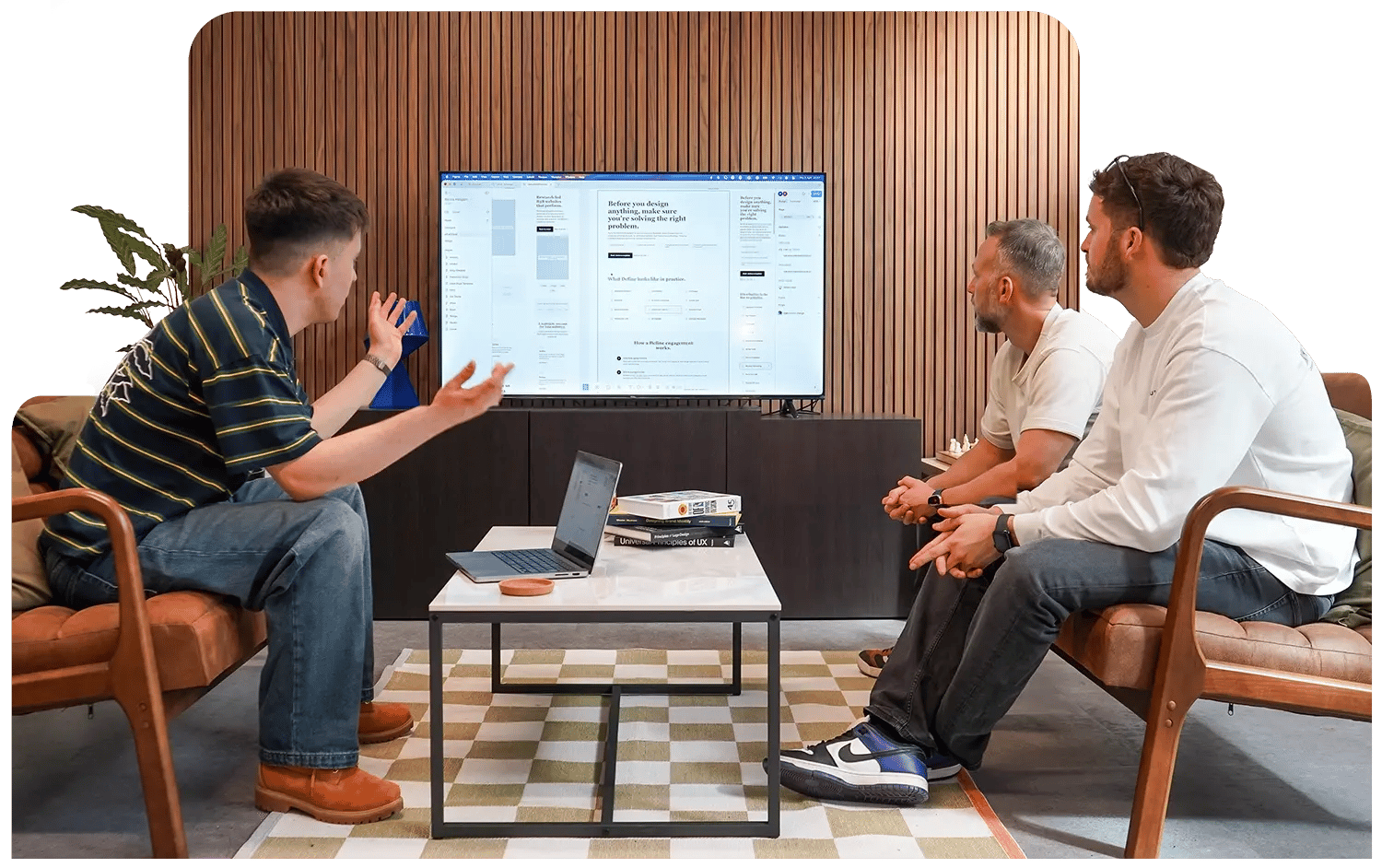
Sofas, comfortable chairs, a relaxed atmosphere helps participants forget they're being observed. The more natural they feel, the more honest their behaviour, and the more useful your findings.
We're ten minutes from Manchester City Centre with free on-site parking and a Metrolink stop nearby, so getting your team and your participants here is straightforward. We provide refreshments throughout the day, and there's a canteen downstairs when you're ready for a proper break.
A UX research lab that's anything but clinical.
Where participants test matters. A sterile, formal environment changes how people behave. And that changes your data.
How much our
UX Services Costs
A fully equipped usability lab in Manchester with Tobii eye tracking. Hire the space, or let us run the whole study.
One rate. One technician, eye tracking and refreshments included.
Lab hire
For teams running their own research with their own participants.
£750* /day
Half days from £450, no hidden extras.
- Lab & observation room
- Technician on hand all day
- Tobii eye tracking & raw exports
- Session recordings
- Refreshments & waiting area
- Evening and 12-hour days on request
- Participants not provided by our team
Most Popular
Lite study
Great for landing pages, adverts, and single user journeys
£5,500/study*
5 participants, 1 lab day
- Study design & discussion guide
- Recruitment & incentives handled
- Moderated by our researchers
- Recordings & eye tracking heat maps
- Topline findings summary
Full study
For apps, complex websites and detailed user flows
£9,500/study*
8 participants, 2 lab days
- Everything in lite study
- Eight participants over two days
- Interpreted eye tracking analysis
- In-depth report & recommendations
- Stakeholder playback session
*Available to book Monday to Friday. Weekend bookings (Saturday and Sunday) and Bank Holidays available at a 50% surcharge. Evening sessions available at a 30% surcharge.
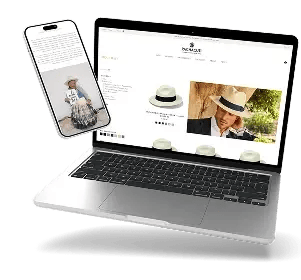
UX lab research that improves more than just your website.
Product Teams
Validate new features and navigation changes before they’re released to the public. Get evidence for roadmap priorities.
Marketing teams
Test landing pages, conversion funnels, and make amends before spending thousands on a campaign release.
Leadership & Stakeholders
Settle internal debates with real user data. Because nothing ends a boardroom argument faster than seeing someone struggle with a page.
Real UX research. Real results.
SEO
CRM
Build
I think we did a good job of finding John’s balls
Johnny lost his balls, so we made a website to help him find them
elcap are the best agency I've worked with to date. Their willingness to deliver quality work in remarkable circumstances is testament to their entire team. They care and it shows.
A Person | Company
Step inside the UX Lab.
What to know before booking a usability test
Most people booking usability testing for the first time want to know three things: how many participants they need, what it costs, and whether they can watch. All three are answered below, with real numbers rather than ‘it depends’.
Usability testing is watching real people attempt real tasks on your website or app, to find out where they struggle.
It is different from analytics, which tells you that people drop off a page but not why, and different from asking people what they think, because what users say they do and what they actually do are rarely the same.
In a moderated test, a researcher sets tasks, observes without helping, and asks follow-up questions afterwards.
Five is enough for a single user journey, eight for a complex site or app.
Research going back to the early 1990s found that five participants surface the large majority of usability problems in a given flow, with each additional participant adding progressively less.
Our lite study uses five participants over one lab day, and our full study uses eight over two days. Spending more usually means testing more journeys rather than adding people to the same one.
Lab hire is £750 a day, or from £450 for a half day, if you are running your own research with your own participants.
A lite study is £5,500 and covers five participants over one lab day, including study design, recruitment, incentives, moderation, recordings and eye tracking heatmaps.
A full study is £9,500 and covers eight participants over two days, adding interpreted eye tracking analysis, an in-depth report and a stakeholder playback session.
Weekend bookings carry a 50% surcharge and evening sessions 30%.
Yes, on the lite and full studies. We source and screen participants against your target audience, and handle incentives and scheduling.
Lab hire is the exception: you bring your own participants, and we provide the space, the technician and the equipment.
You can, but you typically shouldn't.
Your team already know your product names, your internal jargon and how the navigation is meant to work, and they cannot un-know it during a test. They will complete tasks easily and you will conclude the site works, when what you have actually measured is how well your own staff know your own site. They also want the project to succeed, which makes them reluctant to say the thing you need to hear.
The exceptions: staff are ideal for a pilot run, checking your tasks make sense, and the technology works before real participants arrive. And if you are testing an internal tool or intranet, staff are the correct audience, though it should be the team who use it rather than the team who built it.
Screen for behaviour, not demographics. The question that matters is whether someone genuinely does the thing your site is for, not whether they match an age bracket in a persona document. A good screener asks what people have actually bought, used or searched for recently, rather than what they think about your category, because stated attitudes and real behaviour diverge constantly.
Three things are worth screening out:
-
People who have taken part in several studies recently, because they start performing for the researcher rather than behaving normally.
-
People who work in UX, design or marketing, because they critique interfaces instead of using them.
-
Anyone connected to your business.
We also over-recruit slightly, since no-shows happen and losing one participant on a five-person study costs you twenty per cent of your data.
Yes, from a separate observation room or via live stream. Watching live is the part clients consistently say changed their mind about something, because reading that users struggled with a form is very different from watching someone give up on it.
Participants are aware they are being observed and are not in the room with you.
The lab is at The Sharp Project in Manchester, about ten minutes from the city centre, with free on-site parking and a Metrolink stop nearby. Refreshments are provided throughout the day, and there is a canteen downstairs.
The room is deliberately informal, with sofas and comfortable chairs, because a clinical environment changes how people behave and that changes your data.
Between 45 and 60 minutes per participant.
That covers a pre-task interview, the tasks themselves with think-aloud prompts, and a post-task interview.
It is long enough to get past the first-impression effect and short enough that participants do not tire, which matters because fatigue produces unreliable behaviour.
A report with prioritised findings, plus the video evidence and eye-tracking heatmaps behind them, and recommendations your team can act on immediately.
Findings are ranked by severity and impact rather than listed, so you know what to fix first.
Full studies also include a playback session with your stakeholders.
Turnaround on reports will depend on the complexity of the study.
Yes, and it is usually the better time to test. We test clickable Figma prototypes, which means you can find fundamental problems before a developer is booked.
Fixing a flawed journey in a prototype costs a fraction of fixing it after build, and testing at prototype stage is the single highest-return point in a project.
Yes. We run accessibility testing with participants who use screen readers, screen enlargers, voice recognition software and other assistive technology.
This is different from an automated accessibility audit, which checks your code against WCAG but cannot tell you whether a screen reader user can actually complete a purchase.
Both are useful and they answer different questions.
More than most teams expect, and the surprise is rarely the incentives.
A DIY study has four costs: participant incentives, recruitment and screening, tools or equipment, and your own team's time.
The one that catches people out is analysis, which typically takes two to three times as long as the sessions themselves.
Five hours of recorded sessions becomes most of a working week once you have watched, coded and written it up.
Eye tracking is the other constraint, because the hardware and software cost considerably more than a single study.
If you have your own researchers and participants and just need the room and the equipment, lab hire at £750 a day is usually the sensible middle ground.